Understanding VIN Stickers: What They Are and Why They're Important
When you buy a car, whether new or used, you’ll often come across something known as a VIN sticker. While it may seem like a minor detail, the VIN sticker plays a critical role in the identification and tracking of vehicles. In this article, we’ll explore what VIN stickers are, why they’re so important, and their various uses.
What Are VIN Stickers?
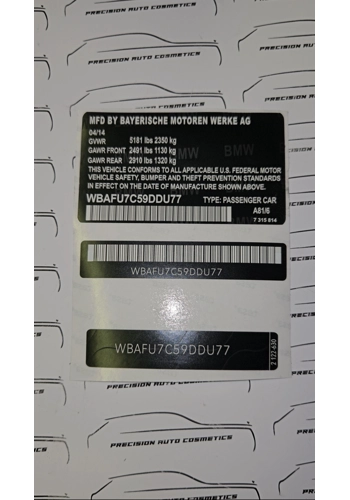
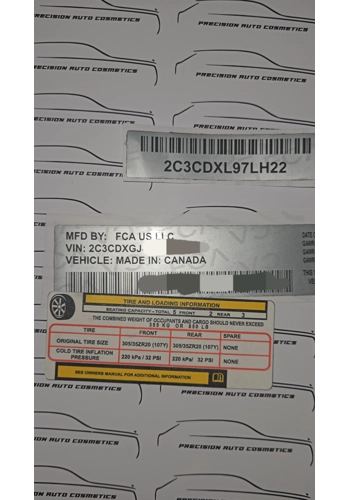
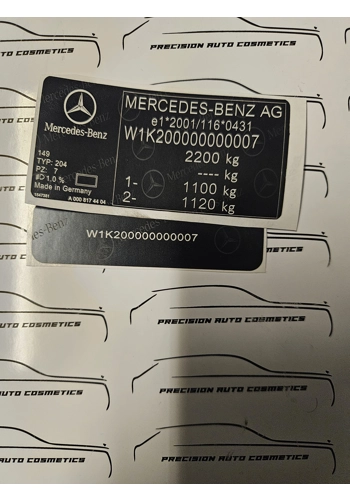
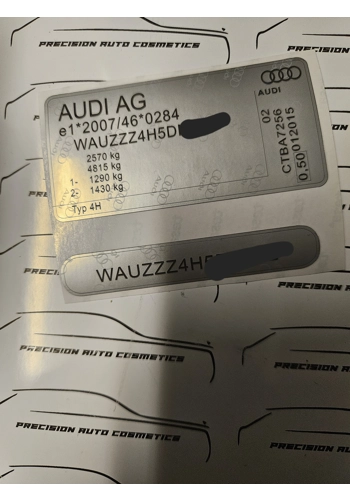
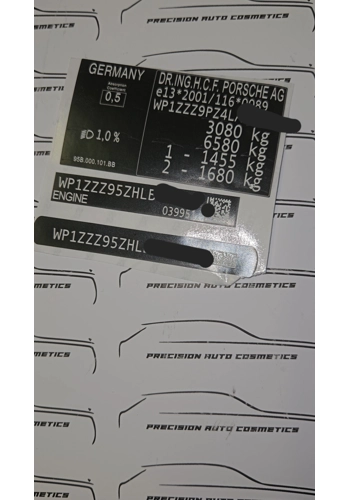
The term "VIN" stands for Vehicle Identification Number. This number is a unique 17-character code assigned to every motor vehicle by the manufacturer. The VIN sticker is a label that displays this number on a vehicle. Typically placed on the dashboard or inside the driver’s side door frame, the VIN sticker provides essential information about the vehicle’s make, model, engine type, place of manufacture, and year.
Uses of VIN Stickers
-
Vehicle Identification
The most obvious use of a VIN sticker is for identifying a vehicle. Whether you’re looking to purchase a car, sell one, or even just get information about it, the VIN sticker is the key. It ensures that each vehicle has a unique code, preventing fraud or mix-ups with other vehicles. -
Tracking and Registration
Government agencies and insurance companies rely heavily on VIN stickers to track vehicles. When you register a car, the VIN sticker is often used to confirm the vehicle's identity. This is particularly important for keeping accurate records related to ownership and any legal or safety issues that may arise. -
Repair and Maintenance Records
Mechanics and auto shops use the VIN sticker to access a vehicle's service history. This is vital for determining what repairs have been made, any recalls that might apply to the vehicle, and even the vehicle’s original specifications. The VIN sticker can help technicians ensure they’re using the correct parts and procedures for the job. -
Stolen Vehicle Recovery
One of the most critical uses of the VIN sticker is in the case of stolen vehicles. Law enforcement agencies can use the VIN sticker to track down stolen cars, as each number is unique and connected to a central database. If your car is ever stolen, reporting the VIN sticker number to the police increases the chances of recovery. -
Buying and Selling Used Cars
If you're buying or selling a used vehicle, you’ll likely need to reference the VIN sticker. For buyers, it’s a way to verify the vehicle's history, ensuring that the car you're purchasing hasn’t been reported as stolen or involved in significant accidents. Sellers may also provide a photo of the VIN sticker to prove ownership and facilitate the sale. -
Vehicle Recall Notifications
Sometimes, vehicles experience manufacturer defects or safety issues that lead to recalls. The VIN sticker helps manufacturers and dealerships identify whether a particular vehicle is affected by such recalls. When you bring your car in for service, the dealership can scan your VIN sticker to see if it’s part of a recall. -
Insurance Purposes
Insurance companies also rely on the VIN sticker when providing coverage for your vehicle. The VIN sticker helps them confirm the car's specifications and details, which impacts the premium you pay. It also ensures that your insurance policy is properly linked to the right vehicle. -
Customs and Importation
If you import a vehicle from another country, the VIN sticker is an essential document in ensuring the car meets local regulations. Customs authorities use the VIN sticker to confirm that the vehicle complies with safety and environmental standards before it can be registered or sold in your country. -
Environmental Regulations
The VIN sticker also helps authorities track a vehicle's compliance with environmental regulations, such as emissions standards. The VIN sticker can indicate the engine type, fuel efficiency, and whether the car meets the required environmental criteria.
Where to Find the VIN Sticker
The VIN sticker is usually located in several places on a vehicle, but the most common spot is on the dashboard, visible through the windshield. Other locations include the driver’s side door frame, near the door latch, or under the hood. It’s essential to know where your VIN sticker is located in case you need to reference it for registration, insurance, or other official purposes.
Conclusion
In conclusion, the VIN sticker may seem like a small, inconspicuous label, but it plays a vital role in vehicle identification, tracking, and maintenance. Whether you're buying a car, registering it, or simply verifying its history, the VIN sticker provides crucial information that helps ensure your vehicle’s safety and security. Knowing how to read and use the VIN sticker can help you navigate the complex world of vehicle ownership with confidence.